Fewer campaigns, more series
Brands build series people choose to follow
A good series gives people a reason to come back before they even know what the next episode is about.
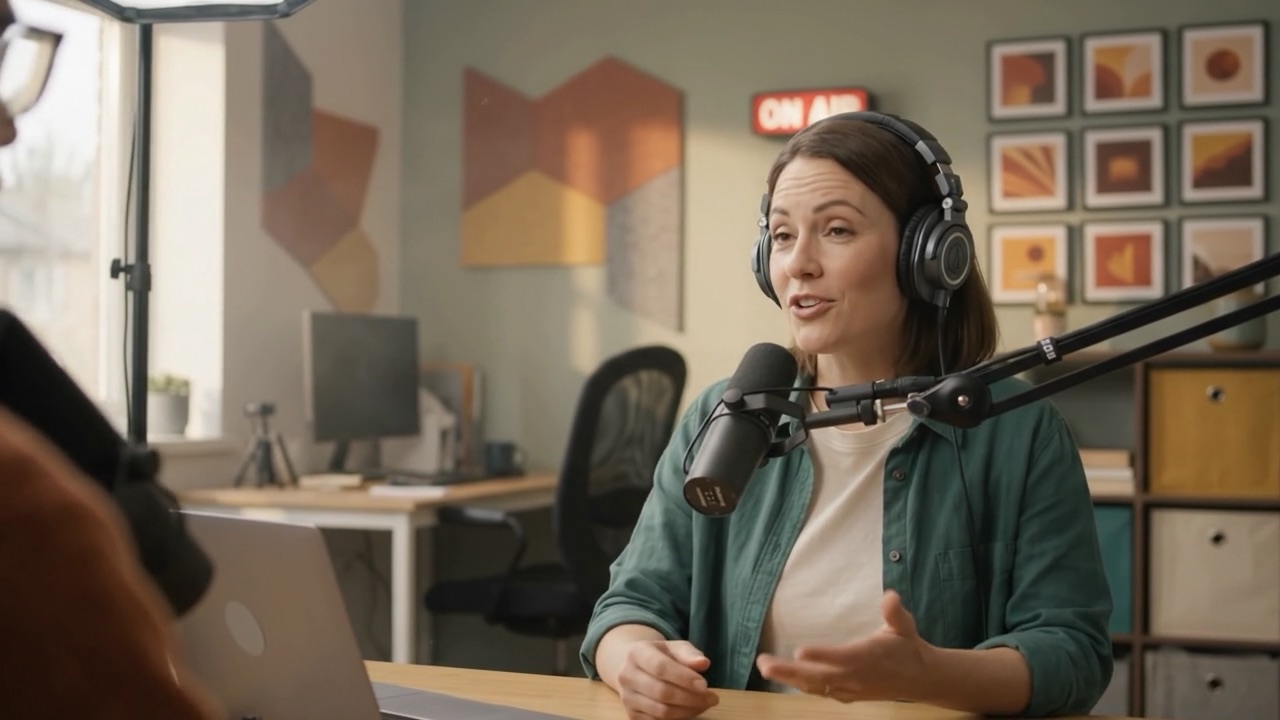
- 57% of social users want brands to prioritize original content series Source: Sprout Social, 2025
- 59.6% of teams publishing video daily say it performs very well, vs 10.2% of those publishing monthly Source: The Big Video Gap, PlayPlay 2026
Audiences are asking for it. In Sprout Social's survey of more than 2,000 social media users, 57% wanted brands to prioritize original content series in 2026, almost level with audience interaction as the top answer.
The job in 2027 is to find a premise worth following. A familiar host and a recognizable look help people spot an episode, but it's the recurring promise that earns their attention. That might mean solving one tough customer problem a week, keeping your audience up to speed on your industry, or following a team toward a goal nobody is sure they'll reach.
That last idea lets a brand tell a story while it's still unfolding. Take a product launch: the competing ideas, the prototypes and the hard calls rarely make it into the announcement. A series can show them.
Who's already doing it
- HubSpot
A show people come back to
My First Million, the podcast HubSpot owns, publishes every episode as a full video on YouTube: the same hosts, the same format, a new conversation each time.
Takeaway: A recognizable show turns content into an appointment.
- The Home Depot
DIY guides, one aisle at a time
On TikTok, The Home Depot runs a recurring series of DIY guides, like this walkthrough of the lumber aisle, turning in-store know-how into a format people follow.
Takeaway: A useful, repeatable premise gives people a reason to return.
- Buffer
Social Media 101, one tutorial at a time
Buffer runs Social Media 101, a YouTube playlist of practical tutorials, like this one on planning a month of posts in a single day.
Takeaway: A series can simply be the tutorials your audience keeps searching for.
- Barclays
Work Lunch, with a familiar face
Barclays UK runs Work Lunch, a YouTube series with creator WillNE, where each episode tackles one money question, like how startups raise money.
Takeaway: A recurring host and a simple premise make each episode easy to come back to.
Where to start
- 01
Write the audience promise in one sentence
Make it specific enough to suggest the next few episodes. Test whether the premise survives beyond your launch announcement.
- 02
Commission a small first season
Agree on a host or recurring cast, a manageable cadence, and the question each episode resolves. For a documentary arc, leave room for events to change the story.
- 03
Give it continuity and a home
Reuse the opening, visual style, and production structure so each episode feels familiar. Publish episodes in a clearly organized destination and offer a follow or subscription option.